
Penny Black: The World's First Postage Stamp

The Penny Black, the world’s first-ever postage stamp, was created in the United Kingdom on 1st May 1840, but it wasn’t made available until the 6th of May of the same year. This historic stamp inked in black, features an illustrative portrait of Queen Victoria looking to the left. The inscription ‘ONE PENNY’ is elegantly placed at the bottom, with ‘POSTAGE’ above it. Serving as proof of payment, the Penny Black facilitated the delivery of letters weighing up to ½ ounce (14 grams) to their final destinations, regardless of distance, at a fixed rate of one penny.
Significance of Postage Stamps
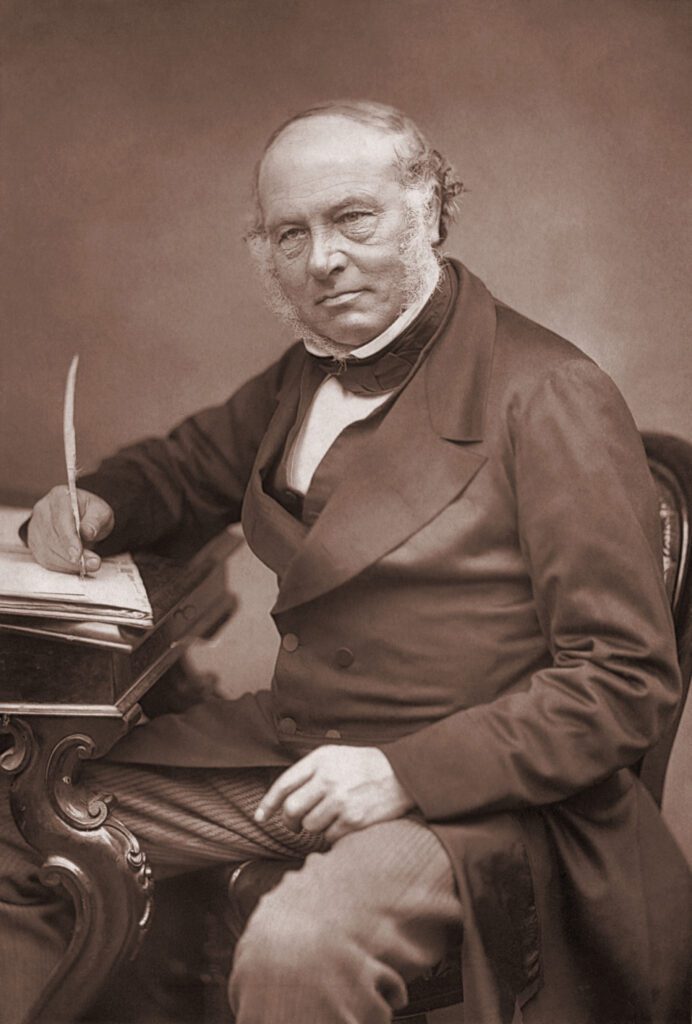
Prior to the introduction of postage stamps, the postal system was complex, requiring recipients to pay postage upon delivery, with fees varying based on distance travelled and sheet size. Due to its complexity and costliness, Sir Rowland Hill proposed a revision to this system to the government on 13th February 1837, aiming to make the postage system more efficient, affordable, and standardized. Subsequently, he was granted a two-year contract to implement a new approach. Collaborating with Henry Cole, Hill launched a competition to design the postage stamp. Despite receiving 2600 entries, none met the stipulated standards. Ultimately, Hill’s rough design, featuring Queen Victoria’s image, was chosen for its perceived difficulty to forge.
Creation of the Penny Black
The final sketch of Queen Victoria was produced by Henry Corbould, while the portrait was engraved by Charles Heath and his son, Frederick. This sketch was based on Sir Rowland Hill’s rough design, inspired by William Wyon’s cameo-like head engraved on a medal presented to Queen Victoria during her visit to the City of London in 1837. This portrait of Queen Victoria adorned British postage stamps until her passing in 1901, serving as the template for all subsequent monarch silhouettes on stamps.
Features of the Penny Black
- Initially intended to be ¾ inch tall, the Penny Black was later resized to 7/8 inch to accommodate the inscriptions ‘POSTAGE’ and ‘ONE PENNY.’
- The black-coloured background features finely engraved engine turnings.
- Two Maltese crosses adorn each end of the frame on the upper side, with a radiant solar disc in the centre of each cross.
- Unique letters at the bottom indicate the stamp’s position on the printed sheet.
- Printed by Perkins, Bacon & Co., the Penny Black sheets contained 240 stamps arranged in 20 rows and 12 columns, all imprinted with black ink.
Creation of the Penny Red
The Penny Black’s short-lived tenure, lasting less than a year, was attributed to issues with its colour; the red cancellation ink wasn’t sufficiently visible and was easily removed, allowing for reuse. To address this problem, the Penny Red was introduced in February 1841, with the cancellation ink changed to black. However, despite these measures, people still found ways to reuse cancelled Penny Reds by combining the uncancelled parts of the two stamps to make them appear new. Consequently, additional precautions were taken. A minor design change was implemented: the top corner crosses on the Penny Red were replaced with lower corner check letters in reverse order.

Rare Penny Black Finds
- A small batch of Penny Blacks was inadvertently printed on Plate 11, originally designated for red stamps, making them exceedingly rare.
- The stamps were typically cut with scissors, resulting in imperfect edges and no margins; those with clear four margins are particularly scarce and valuable, especially those in mint condition.
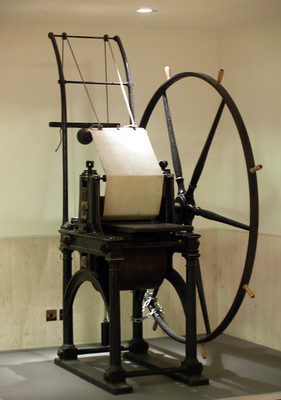
- The original ‘D’ cylinder press, patented by Jacob Perkins in 1819, is showcased at the British Library in London, serving as a testament to its role in Penny Black production.
Penny Black VR Official
An alternate version of the Penny Black, known as VR, features ‘V’ and ‘R’ at the upper corners instead of crosses. Introduced in May 1840 in the United Kingdom of Great Britain and Ireland, VR stamps were reserved for official mail, distinguishing them from the standard Penny Blacks used by the general public.

Total Penny Black Count
An estimated 68,808,000 Penny Black stamps were printed, with approximately 1,300,000 believed to still exist.
Ultimate Guide: Penny Black Stamp Values & Prices in 2024
The value of a Penny Black postage stamp can vary significantly, depending on factors such as its condition, rarity, and specific characteristics. While a Penny Black in average condition may be relatively affordable, exceptional specimens boasting unique features or pristine conditions can command substantially higher prices, potentially reaching thousands of pounds in auctions or private sales. Prices observed on eBay range from approximately $75.00 to $3,295.00 (US Dollar), showcasing this variability, while a pristine four-block Penny Black is listed for sale at £50,000 (Pound sterling) on Paul Fraser Collectibles (as of May 2024).
However, it is essential to authenticate any Penny Black stamp through reputable experts or philatelic organizations to ensure its authenticity and accurately ascertain its market value. It’s worth noting that market dynamics and collector demand can significantly influence the value of these historic stamps over time.

Zdravo, htio sam znati vašu cijenu.
Hello, thank you for your message! This article is for informational purposes only. I do not sell original stamps.
However, I do sell digital stamp art, which you can find in the Shop section of the website. Feel free to take a look!
Wishing you all the best in your search.